Highlights:
– President Trump signs an executive order aimed at reducing mortgage costs amid rising interest rates and inflation.
– The order includes provisions for canceling mortgage insurance proactively and making refinancing cheaper for future homeowners.
– Housing affordability remains a critical concern just weeks ahead of the midterm elections.
Introduction: A Bold Move for Affordable Housing
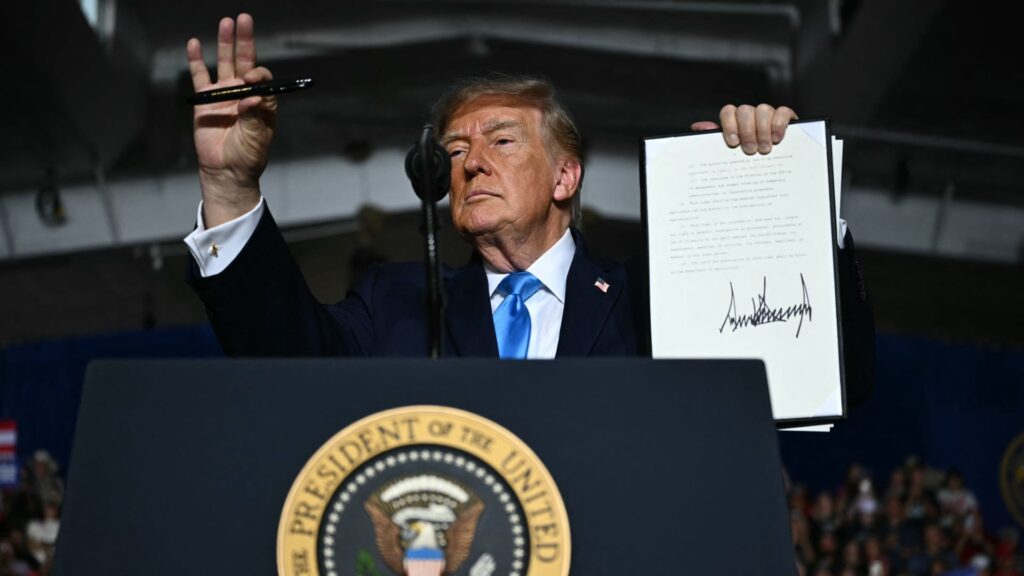
In a significant move to address the ongoing housing affordability crisis, President Donald Trump has signed an executive order tailored to lower mortgage costs for Americans. This initiative emerges as a response to escalating interest rates and inflation, which have made homeownership increasingly unattainable for many. The order, aptly titled “Decreasing Housing Costs for the American People,” directs federal agencies to explore proactive measures in reducing financial burdens tied to mortgage insurance and refinancing.
The implications of this executive order are far-reaching, particularly as it is rolled out just weeks before the upcoming midterm elections on November 3. With many voters expressing deep concerns about rising housing costs, Trump’s recent actions could be perceived as a strategic move to resonate with constituents who prioritize home affordability. As homeownership rates decline and costs continue to climb, understanding the details of this order is essential for current and prospective homeowners alike.
Core Provisions: Transforming Mortgage Insurance and Refinancing
One of the pivotal components of Trump’s executive order is the directive for the Federal Housing Finance Agency (FHFA) to implement a pilot program designed to cancel mortgage insurance for qualifying borrowers once they reach a certain home equity threshold. This shift aims to alleviate the financial strain commonly associated with private mortgage insurance (PMI), which is typically mandatory for those making down payments of less than 20%. With conventional loans often carrying PMI costs ranging from 0.2% to 2% annually, this change could translate to substantial savings for many homeowners.
Additionally, the order aims to simplify mortgage refinancing by extending the FHFA’s existing pilot program that waives lender title insurance and promotes more budget-friendly alternatives. Experts point out that while this initiative might not drastically alter the landscape of housing expenses, every effort to mitigate costs is beneficial, especially given the current high interest rates, which hovered around 7.32% as of late October.
Reflections on Housing Economics: Potential Impacts and Solutions
The executive order could have lasting implications for the housing market, particularly when it comes to affordability. As average monthly mortgage payments consume an increasingly larger portion of a family’s income—hiking from 26% of the median income in 2022 to about 33% in 2025—these measures may offer relief for families aspiring to own homes. Industry experts note, however, that while lowering mortgage costs can help, broader economic factors such as housing prices and mortgage interest trends will ultimately dictate the overall effectiveness of these provisions.
As the FHFA’s programs work to alleviate refinancing costs and remove barriers to mortgage insurance, their success will also depend on the actual consumer take-up and the housing market’s response. If executed effectively, these changes could stabilize or even revitalize certain segments of the housing market, allowing more Americans to achieve the dream of homeownership.
In conclusion, President Trump’s executive order to reduce mortgage costs presents a timely intervention amid growing concerns over housing affordability. As the nation approaches critical elections, the question remains: Will these measures sufficiently impact the current housing crisis? What further steps are needed to ensure sustainable homeownership access for all Americans? How can the government balance regulatory actions with the needs of the housing market?
Editorial content by Blake Sterling