Highlights
- Ukraine is investigating alleged restrictions imposed by SpaceX’s Starshield on military operations amid ongoing conflict.
- President Zelenskyy claims these limitations have hindered Ukraine’s ability to intercept Russian drones, threatening national security.
- Recent U.S.-brokered peace talks provided no significant breakthroughs, leaving critical issues unresolved as the conflict continues.
Concerns Over SpaceX’s Restrictions in Ukraine
President Volodymyr Zelenskyy has raised significant concerns regarding what he described as fresh speed limitations imposed by SpaceX’s Starshield service on Ukraine. The implications of these restrictions are dire, as they reportedly disrupt military operations across critical front lines. Following similar limitations observed last month, the Ukrainian military has documented a pattern of operational disruptions that could impede their ability to defend against ongoing threats. This situation has escalated the urgency of Ukraine’s investigations into Starshield’s performance across the territory.
Starshield, developed by SpaceX, is a satellite network designed primarily for government and national security applications and is built on their established Starlink technology. Zelenskyy pointed out that these systemic restrictions have effectively set a speed limit for Ukrainian military terminals, cutting off access to vital functions needed to counteract Russian offensive strategies, particularly regarding drone interception capabilities. This situation poses a significant risk to Ukraine’s defensive measures, which rely heavily on technology for operational efficacy.
Military and Diplomatic Implications
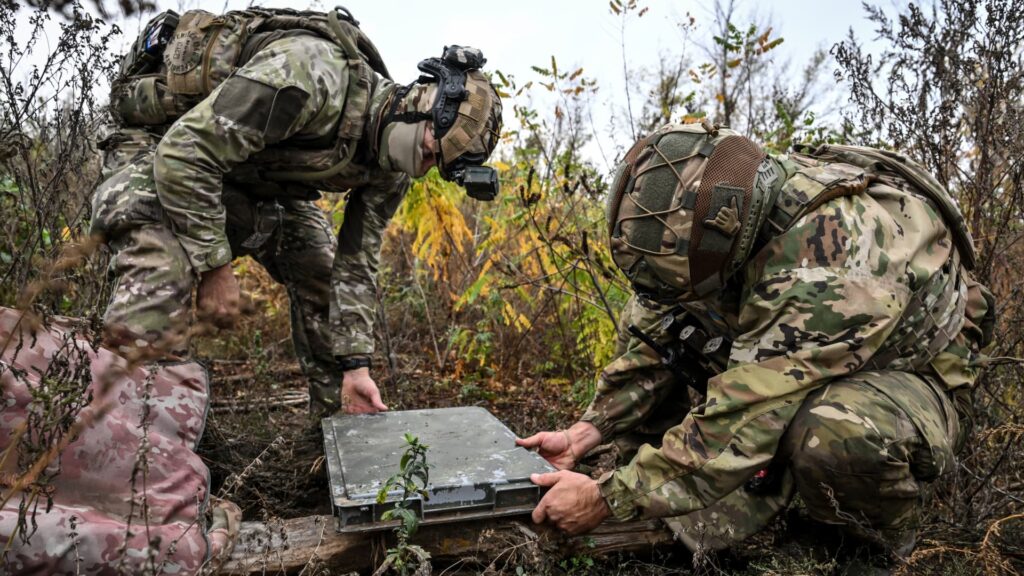
The impact of the restrictions has been profound, as Ukrainian military officials express concerns over their ability to intercept Russian jets and drones. Zelenskyy stated that the limitations disconnect terminals that exceed speeds of 161 kilometers per hour (100 miles per hour), effectively leaving the country’s defense vulnerable. Recent attacks have confirmed that these speed restrictions have already permitted Russian strikes to penetrate Ukrainian defenses, underscoring the high stakes involved in the accessibility of military technology.
Further complicating this landscape is the involvement of SpaceX CEO Elon Musk, who has been associated with the decision to impose these restrictions. Reports suggest Musk’s request for limits stemmed from perceived violations of Starlink’s terms by Ukrainian forces, a claim that Ukraine officials have fervently disputed. In light of these ongoing tensions, it remains crucial to address the operational needs of Ukraine without compromising their security and defensive strategies.
Looking Towards Future Negotiations
This situation unfolds in the broader context of ongoing diplomatic endeavors to resolve the conflict. Recently, U.S.-brokered peace talks were conducted in Abu Dhabi, although they concluded without substantive advancements on ceasefire or territorial issues. Negotiators including special envoys Steve Witkoff and Jared Kushner have engaged with both Russian officials and President Zelenskyy, seeking a pathway toward ending the nearly five-year-long invasion of Ukraine. Despite these efforts, the lack of significant breakthroughs highlights the challenging road ahead.
As discussions progress, the interplay between military technology, national security, and diplomatic efforts remains increasingly complex. The situation calls for an urgent dialogue, not only about the immediate restrictions by SpaceX but also about how international partners can effectively support Ukraine’s sovereignty going forward. The balance of technological access and diplomatic engagement will be crucial in shaping the outcome of this ongoing crisis.
Conclusion
In summary, the restrictions imposed by SpaceX’s Starshield service have raised serious concerns for Ukraine’s military operations, jeopardizing their defensive capabilities against Russian threats. As diplomatic efforts continue in search of peace, crucial questions linger regarding the balance of military needs and technological support. How can international communities assess and address countries’ technological needs while preserving sovereignty? What role should private companies play in national security matters? The answers to these questions will undoubtedly be pivotal in guiding Ukraine through the challenges it faces today.
Editorial content by Sierra Knightley